
*View accurate shipping rates and availability


24 Items


















Spend over $800 and receive free gifts in your cart. Towels, accessories and full length mirrors!

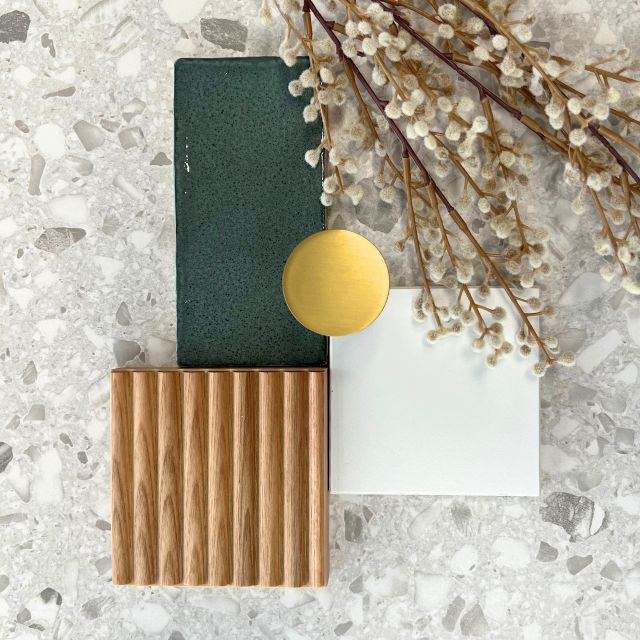


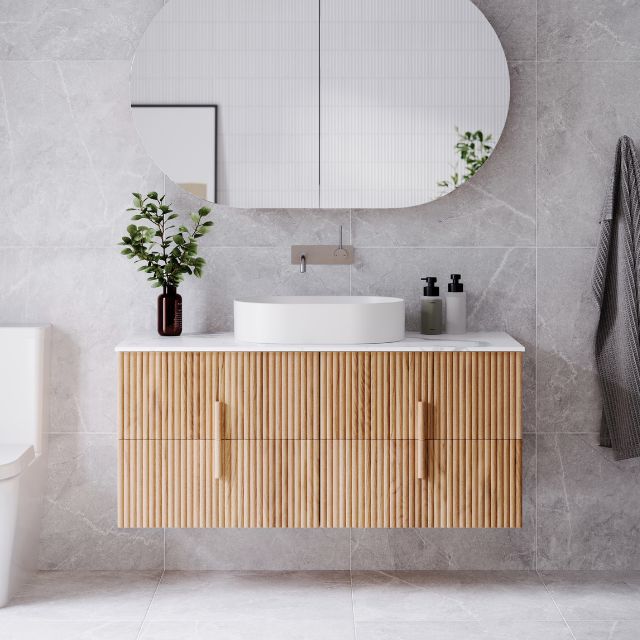
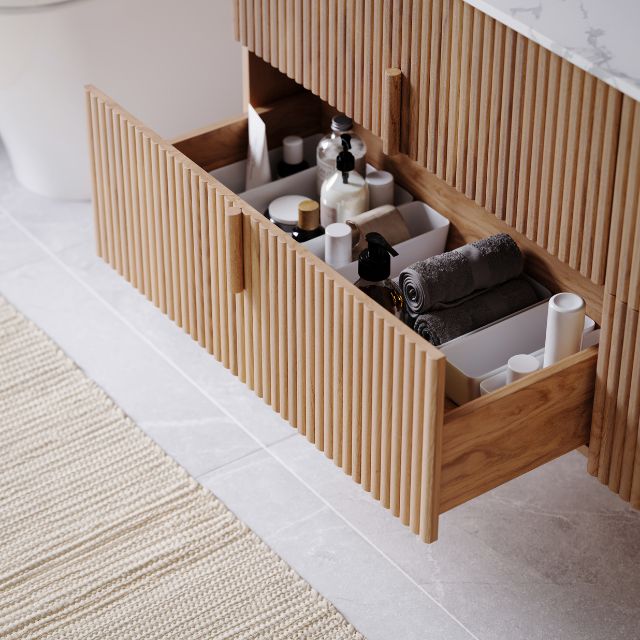
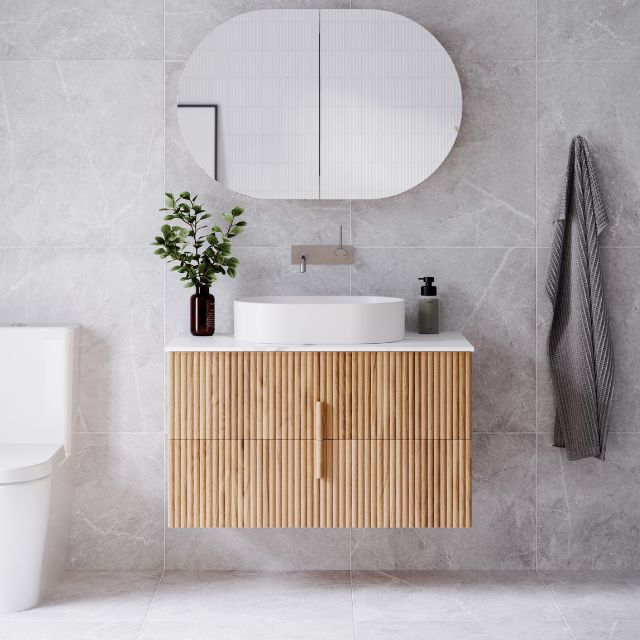
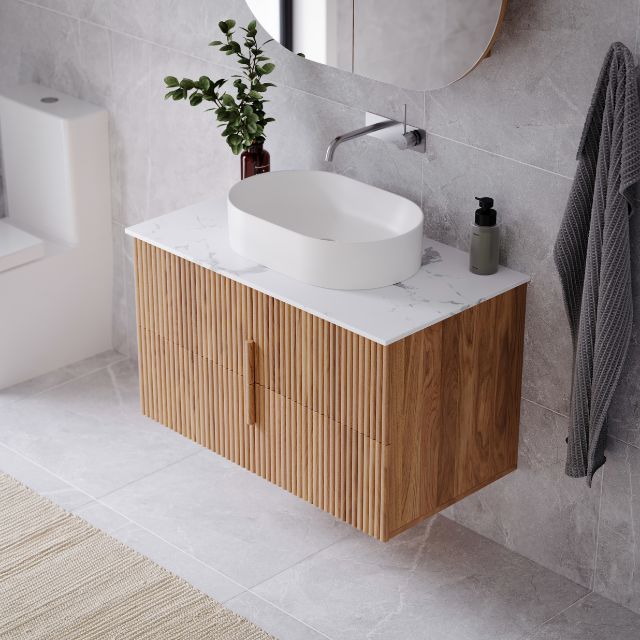
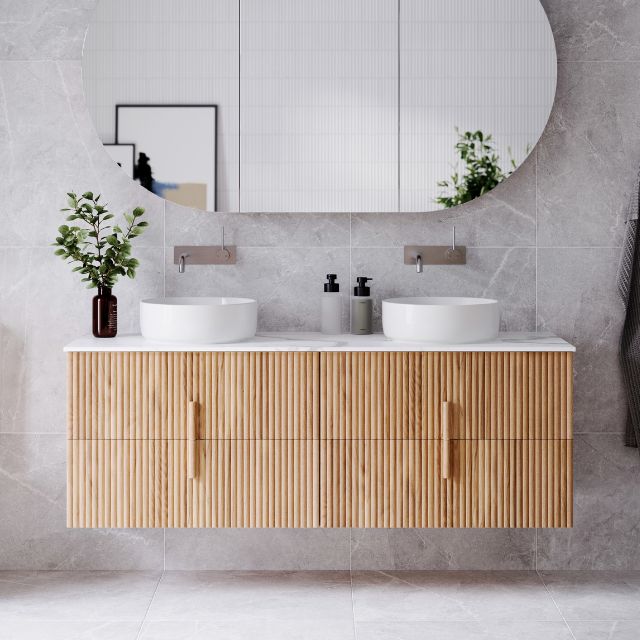
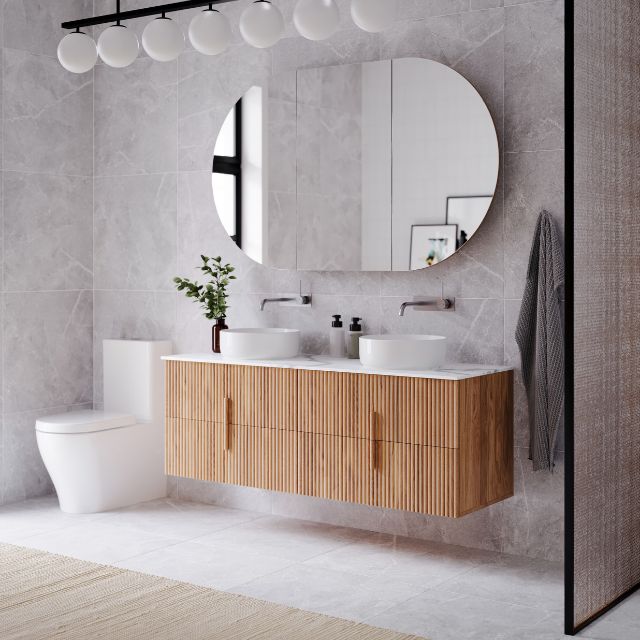
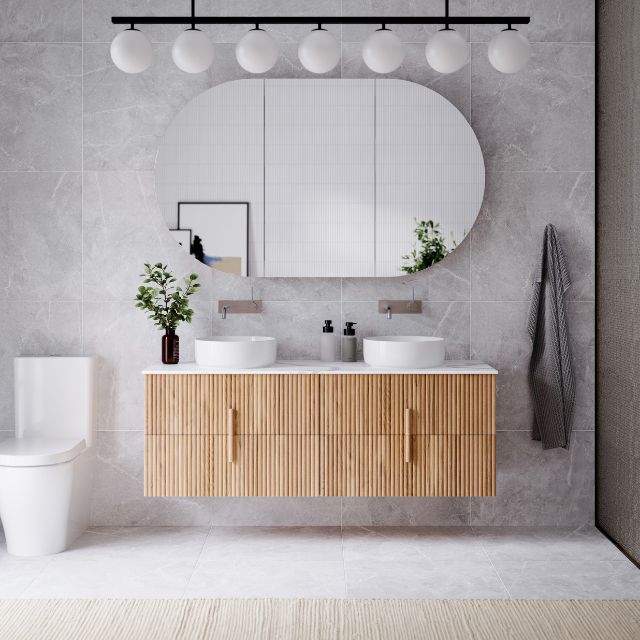
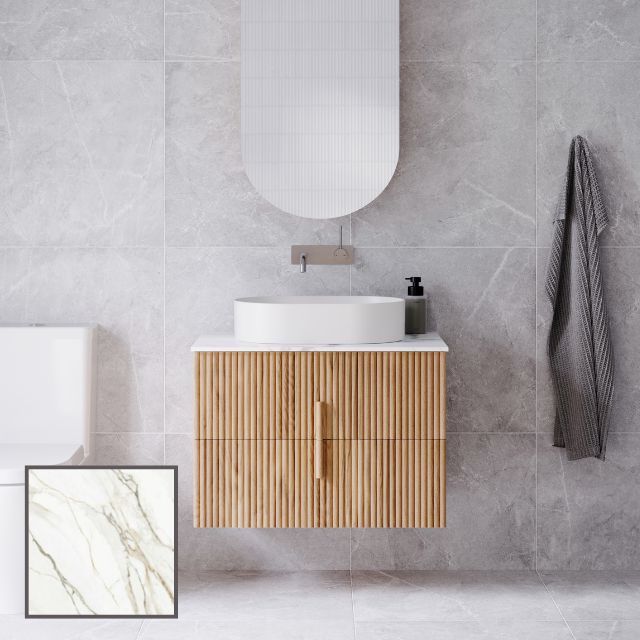
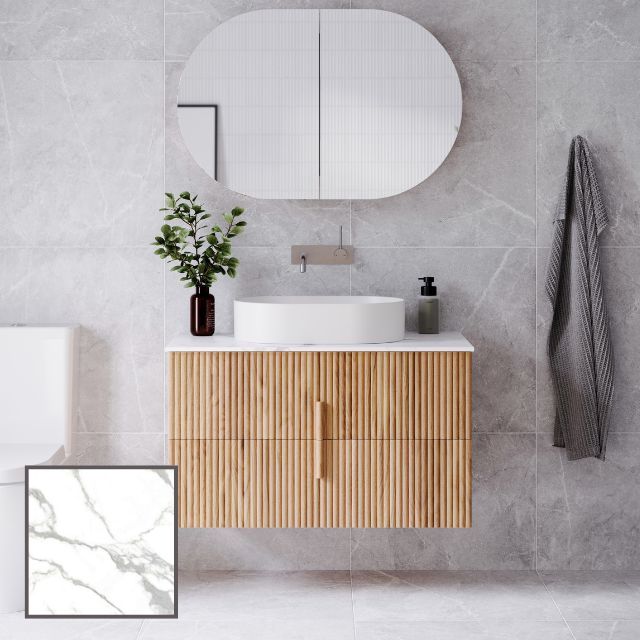
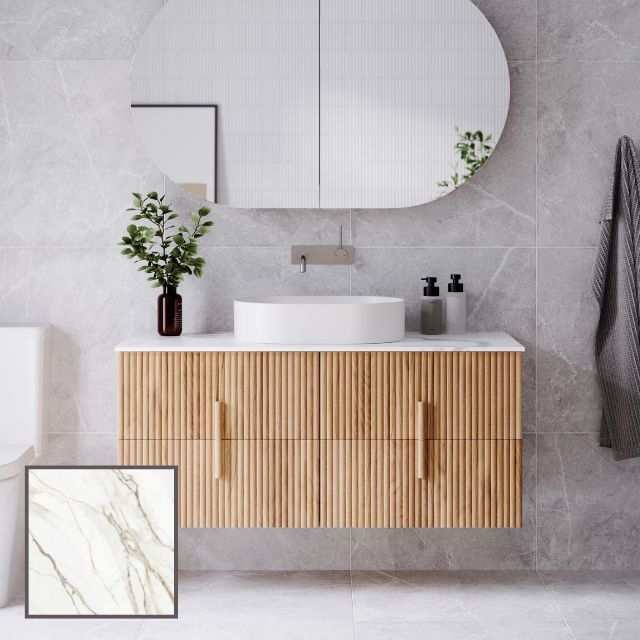
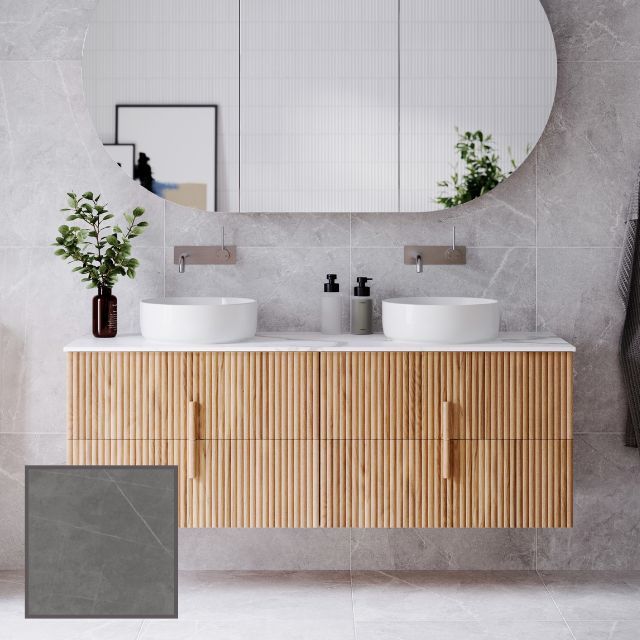
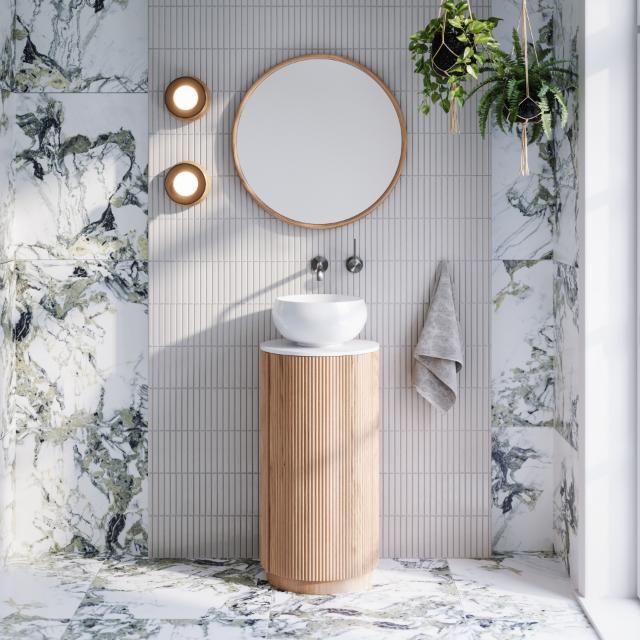
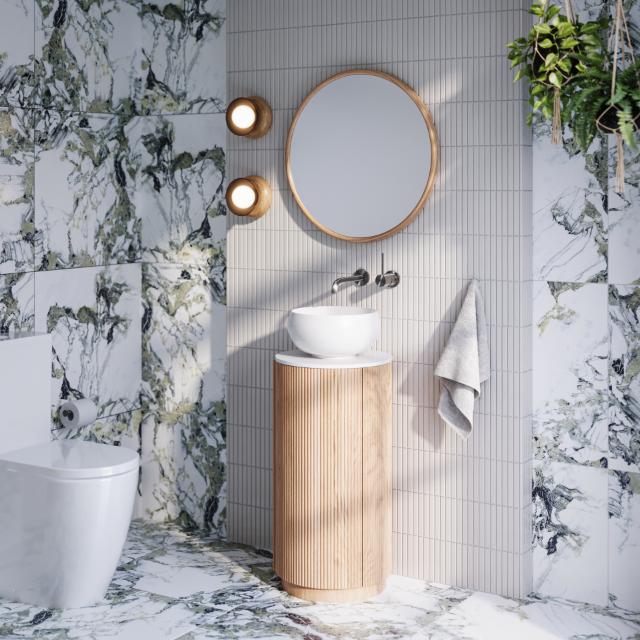
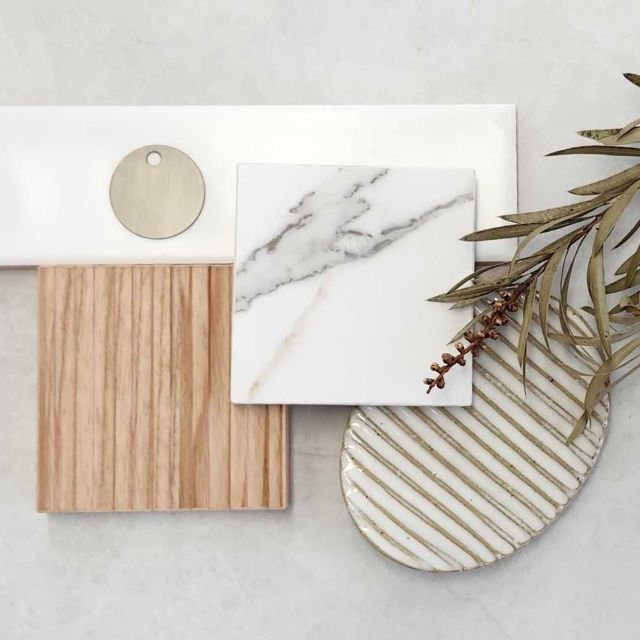
Ingrain's range is built around three distinct styles, wall hung, fluted and curved, which gives renovators a way to set the tone of a bathroom through the vanity itself rather than relying only on tiles and tapware to do that work.
Ingrain is a bathroom vanity brand focused on design-led cabinetry, aimed at renovators who want a vanity with a distinct visual identity rather than a standard flat-fronted cabinet. The brand's fluted and curved vanity ranges bring texture and shape into the bathroom, a departure from the plain, minimalist vanities that have dominated the market in recent years.
Ingrain sits in the affordable vanity bracket, which means these design details, fluting, curves, and wall hung construction, are available without the premium price usually attached to custom or made-to-order cabinetry.
A few practical factors are worth working through before choosing a vanity, regardless of style:
Fluted and curved vanities add a further consideration: front profile. A fluted front reads as a series of vertical grooves and works well as a feature piece against plain wall tiles, while a curved vanity softens the room's overall geometry.
A wall hung vanity is fixed directly to the wall using a concealed bracket system, with no legs or cabinet base touching the floor. This has a few practical benefits beyond the visual effect.
Floor cleaning is easier, since there's no cabinet base blocking the mop or vacuum. The gap beneath the vanity also makes a small bathroom feel larger, since the floor is visually continuous underneath it. Wall hung vanities do need solid wall fixing, so the wall type and stud or noggin placement should be confirmed by a plumber or builder before installation, particularly for larger double-basin vanities.
Renovators choosing between a wall hung and floor-standing vanity often decide based on storage needs versus visual weight: wall hung suits renovators prioritising a lighter, more spacious feel, while floor-standing suits those wanting maximum cabinet storage in a compact footprint.
Fluted vanities suit contemporary and Art Deco-influenced bathrooms, where the vertical ribbing adds texture without introducing pattern or colour. They pair well with warm-toned tapware, such as brushed brass or brushed gold, since the grooves catch and reflect light differently to a flat surface.
Curved vanities suit softer, more organic bathroom designs, and work particularly well in bathrooms using curved or arched mirrors and basins, where the rounded lines are carried through the whole room rather than isolated to one piece.
A vanity rarely sits in isolation. Once the vanity style and configuration are settled, it's worth confirming the basin and tapware together, since tap hole position, basin overhang and mixer reach all affect how the finished vanity looks and functions day to day.
The Blue Space's Shaving Cabinets, Mirrors, Basins and Basin Taps collections are designed to be worked through alongside a vanity choice, so the whole vanity wall, cabinet, basin, tapware and mirror storage, can be planned as one cohesive look rather than pieced together separately.


