
*View accurate shipping rates and availability


22 Items


Spend over $800 and receive free gifts in your cart. Towels, accessories and full length mirrors!


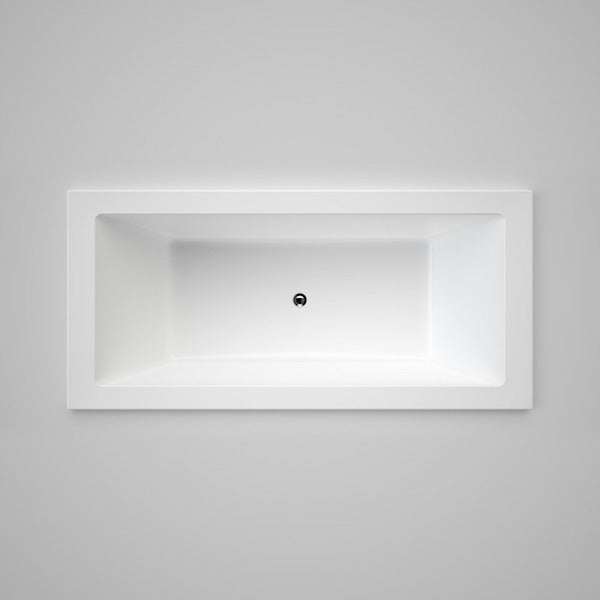

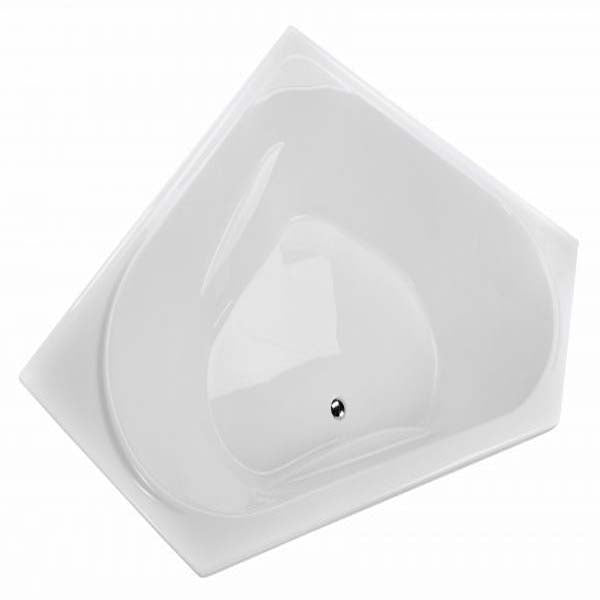


A built-in bath's main advantage is how neatly it integrates into the room's existing structure. Rather than standing independently and needing clearance on every side, it tucks into a niche, alcove or corner, freeing up floor space elsewhere in the bathroom, for a double vanity, additional storage, or simply a less cluttered feel underfoot.
An inset bath is a bathtub installed within a frame that gives it extra strength and secure, permanent fixing. Most are installed against a wall, either along the bath's length or at the tap end, though they're versatile enough to also be built into an island configuration in the centre of the room, with a tiled edge surrounding the tub.
Built-in baths suit smaller bathrooms particularly well, since they don't require the clearance a freestanding tub needs on every side. They also suit family bathrooms, since the solid tiled edge gives a stable spot to lean on while bathing young children, and to rest towels or bath products within easy reach. This collection's small baths range includes compact models starting at 1200mm for tighter spaces, while the baths over 1700mm range offers deeper, more generous soaking room where space allows.
Acrylic remains the lightweight, more affordable standard, warmer to the touch than steel and available across a wide range of shapes. Its resilience also makes it a practical choice for family bathrooms, holding up well to the occasional dropped toy or bath product.
Stone resin, including this collection's Kaskade Stone range, replicates the look of natural marble without the ongoing maintenance genuine stone requires, offering a heavier, more substantial feel and superior heat retention.
Rectangular baths remain the classic, versatile choice, fitting most bathroom layouts and pairing easily with a shower screen. Oval baths bring softer edges, reducing the risk of bumped knees, a practical benefit in a family bathroom. Square baths bring a bolder, more architectural presence, particularly effective paired with subway tiling for a considered retro-meets-modern look.
Measuring carefully before ordering matters more than it might first seem, and confirming existing pipe positions early avoids the added cost of relocating plumbing later in the renovation. Sizes in the 1500mm to 1700mm range suit most Australian bathrooms comfortably; smaller or larger options are worth considering specifically where the room's dimensions call for it.
Caroma brings Australian manufacturing experience and a strong water-efficiency focus. Clark offers straightforward, dependable durability. Decina suits a minimalist bathroom with clean, uncluttered lines. Turner Hastings brings a more considered, spa-like quality to its built-in range.
A shallow niche carved into the surrounding wall gives a discreet spot for shampoo and everyday bathing essentials without needing a separate caddy. Where wall space doesn't allow for this, this collection's island baths include models with a built-in ledge for the same purpose.
Built-in bath installation is not a DIY project. A licensed plumber should handle the connection, particularly for more complex setups like this collection's spa baths, where water and electricity both need to be managed safely together. Quality silicone sealant, rather than a cheaper alternative, is worth insisting on around the bath's edges, since a poor seal is one of the more common sources of water damage behind and beneath a built-in bath over time.
A built-in bath is easiest to plan alongside the room's tiling and tapware, since the surrounding frame and edge finish depend on decisions made elsewhere in the renovation. The Blue Space's Tiles and Tapware collections are worth reviewing alongside a built-in bath selection to bring the full bathroom together.


