
*View accurate shipping rates and availability


26 Items


Spend over $800 and receive free gifts in your cart. Towels, accessories and full length mirrors!
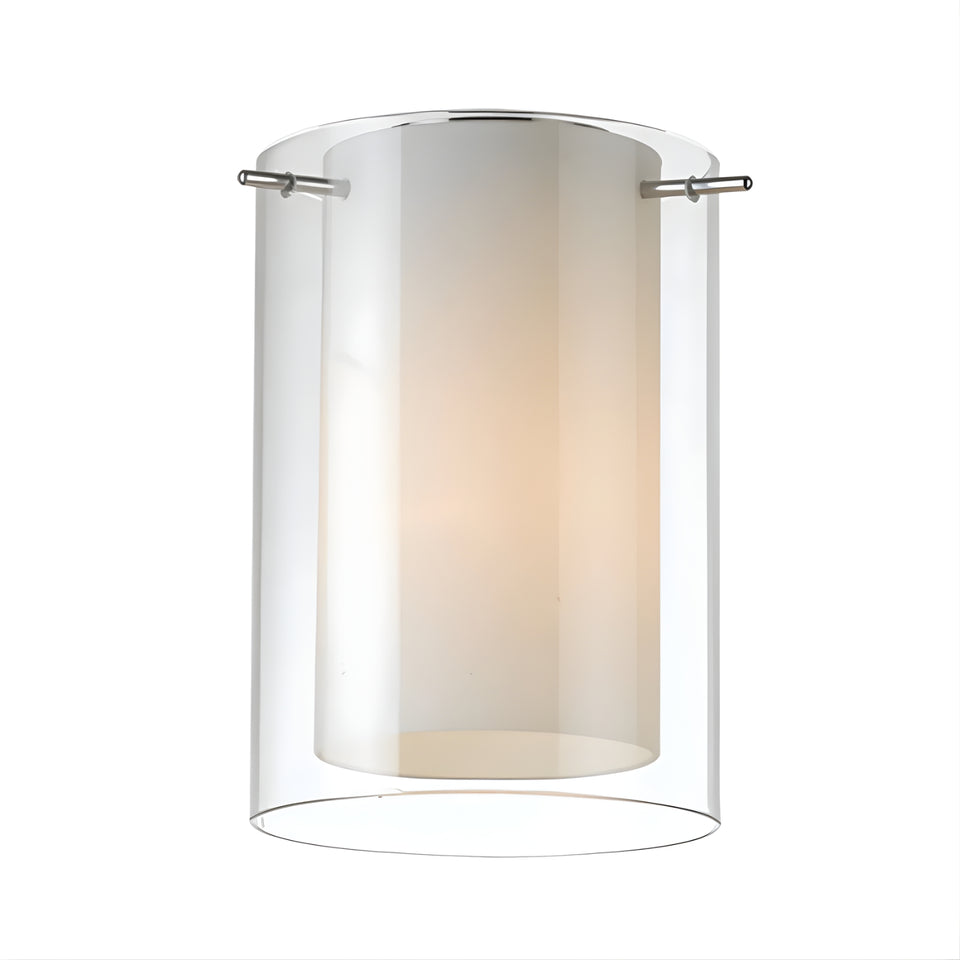


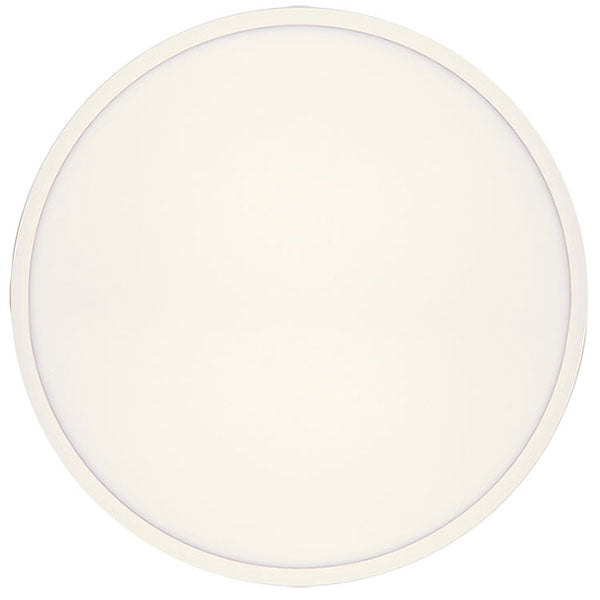


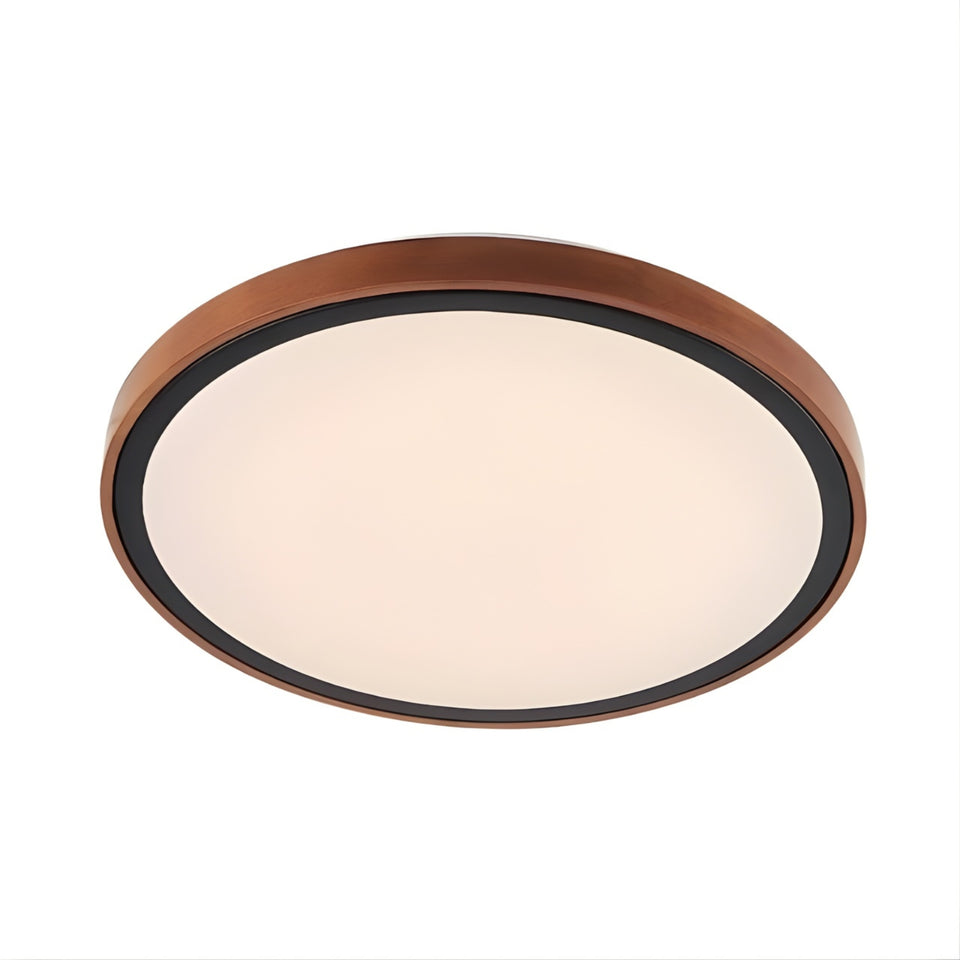


A well-chosen ceiling light does two jobs at once: it lights the room properly for everyday use, and it sits as a considered visual feature in its own right, rather than disappearing into the background.
Flush mount fixtures sit close to the ceiling with no visible drop, suited to a room with a lower ceiling or a hallway needing clearance. Semi-flush mount lights drop a short distance, giving a touch more presence without the full commitment of a pendant. Pendant lights hang on a cord or rod, suited to a dining table, kitchen island or entryway wanting a genuine focal point. Cluster or multi-pendant arrangements bring a further layered look to a larger space.
A ceiling light's diameter should be proportionate to the room, roughly matching the room's width in centimetres divided by 10 as a general starting guide, so a 3.6m room suits a fixture around 36cm to 45cm in diameter. Brightness should be matched to the room's purpose: a kitchen or study benefits from a brighter, whiter light around 4000K to 5000K, while a bedroom or living area suits a warmer 2700K to 3000K glow for a more relaxed feel.
Black brings a genuinely bold, contemporary anchor point, suited to a moody or industrial-leaning room. Chrome offers a classic, reflective finish that suits almost any interior. Grey and woodgrain bring a softer, more textural option, well suited to a Scandinavian or coastal-style space. White remains the most versatile, understated choice, blending into the ceiling itself.
Confirming the fixture's compatible bulb type and wattage, along with whether it's dimmable, avoids a mismatch with existing switches or dimmer controls already installed in the room. For a ceiling with limited cavity space or insulation contact, checking whether the fixture is IC-rated for safe installation against insulation is also worth doing.
As a general guide, a ceiling light's diameter in centimetres should roughly match the room's width in metres multiplied by 10, so a 4m-wide room suits a fixture around 40cm in diameter. For a room with multiple light points or a large open-plan space, using two or more smaller fixtures rather than one oversized light often gives more even coverage.
A flush mount light sits directly against the ceiling with no visible drop, suited to a room with limited ceiling height. A pendant light hangs below the ceiling on a cord, chain or rod, giving a genuine visual focal point and typically suited to a dining area, kitchen island, or entryway with sufficient ceiling clearance.
Warmer light, around 2700K to 3000K, suits a bedroom, living room or dining area for a relaxed, inviting atmosphere. Cooler, whiter light, around 4000K to 5000K, suits a kitchen, bathroom or study where clear, task-focused lighting matters more.
A ceiling light is easiest to choose once the room's overall finish palette is settled, since matching the fixture to nearby cabinetry, tapware or furniture hardware keeps the space reading as one considered whole. The Blue Space's Pendant Lights and Wall Lights collections are worth reviewing alongside a ceiling light selection to complete the room's lighting scheme.


