
*View accurate shipping rates and availability


24 Items


Spend over $800 and receive free gifts in your cart. Towels, accessories and full length mirrors!


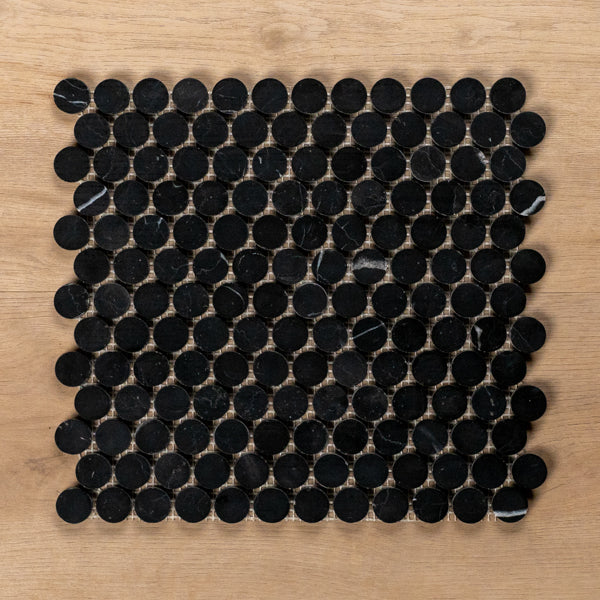


Stone's appeal comes down to genuine material substance: no two pieces are quite identical, since each is quarried rather than produced to a fixed pattern. That variation is generally considered a feature rather than a flaw, giving a floor or wall a depth and individual character that a manufactured tile can't fully replicate.
Bathrooms suit stone particularly well, since the material's natural warmth and texture suit a room meant to feel like a genuine retreat. Soft limestone run across the floor and up the walls gives a seamless, considered look, while a dramatic marble feature wall behind the vanity brings real visual presence. For bathroom floors specifically, a honed or matte finish is worth choosing over a fully polished one, since polished stone becomes genuinely slippery when wet.
Kitchens face heavy daily use, spills, dropped utensils, constant foot traffic, which makes durability the priority. Granite, formed from cooled volcanic material, is exceptionally hard-wearing and handles high traffic well. Slate is similarly durable, and its natural texture gives useful grip underfoot, while its darker, more variegated colouring hides everyday marks more effectively than a plain, pale surface. Stone also makes a genuinely practical splashback, easy to wipe down and visually striking against surrounding cabinetry.
Living areas and hallways suit travertine particularly well, bringing a warm, Mediterranean character through its creamy, beige and tan tones. Stone stays notably cool underfoot during warmer months, and pairs well with underfloor heating during winter, giving genuine year-round comfort rather than a single-season benefit.
Outdoor areas, including patios and pool surrounds, can use stone too, provided the specific tile carries a non-slip finish rated for outdoor and wet-area use, creating a considered flow between indoor and outdoor spaces.
Large-format tiles reduce the number of visible grout lines, which can make a smaller room feel more open and less visually busy. Small tiles and mosaics, generally supplied on a mesh-backed sheet for easier installation, suit detail-focused areas like a shower niche or splashback. Within this category, penny round tiles bring a retro character, while fish scale tiles bring a more elegant, considered texture to a bathroom wall.
Classic shapes remain classic for good reason: square and rectangular (subway) tiles remain genuinely versatile, and the laying pattern chosen, brick bond, vertical stack, or herringbone, changes the tile's character considerably without needing a different tile at all. For something more distinctive, kit kat tiles bring fine texture to a wall, and diamond tiles create a striking geometric effect. This collection's medium tiles range is a reliable, safe starting point for most standard Australian rooms.
Because stone is a natural product, its colour range is genuinely broad. For a bright, clean bathroom, white tiles, a classic Carrara marble with soft grey veining among them, give a considered, timeless look. Grey tiles remain the most versatile neutral, pairing with almost any timber tone or tapware finish, spanning light grey limestone through to deep charcoal slate.
For a bolder direction, black tiles, a honed granite in particular, bring genuine sophistication to a floor. Some marbles carry striking natural colour variation, hints of green, blue, or even blush pink running through the veining, which can read as a considered feature wall in its own right. For warmth, travertine and sandstone bring rich brown and tan tones that make a room feel immediately welcoming.
Because natural variation is part of the material's appeal rather than an inconsistency to avoid, it's worth opening several boxes before installation and mixing tiles from each, giving a more balanced blend of tones across the finished floor or wall rather than an uneven concentration of any single variation.
Most natural stone is somewhat porous, similar to a dense sponge, which means sealing is a genuine necessity rather than an optional extra. A sealer soaks into the stone and blocks these small pores, preventing spills from staining the surface. This is typically applied at installation, then reapplied every few years as routine maintenance, a straightforward job rather than a complicated one.
Grout choice affects the finished look meaningfully: a matching grout gives a clean, seamless appearance, while a contrasting grout makes each individual tile stand out more distinctly. The Blue Space uses and recommends Maxisil Grout for this purpose. For corners and edges, particularly in a bathroom, a flexible, mould-resistant silicone, such as Maxisil Silicone, is worth using rather than a lower-quality alternative, since a poor seal here is a common source of future moisture issues.
Natural stone tiles are easiest to select once the room's other fixtures, vanity, tapware or cabinetry, are settled, since the stone's tone and finish should complement those choices rather than being decided in isolation. Browse the full wall tiles and tiles collections for additional formats and finishes to bring the complete room together.


