
*View accurate shipping rates and availability


65 Items


Spend over $800 and receive free gifts in your cart. Towels, accessories and full length mirrors!


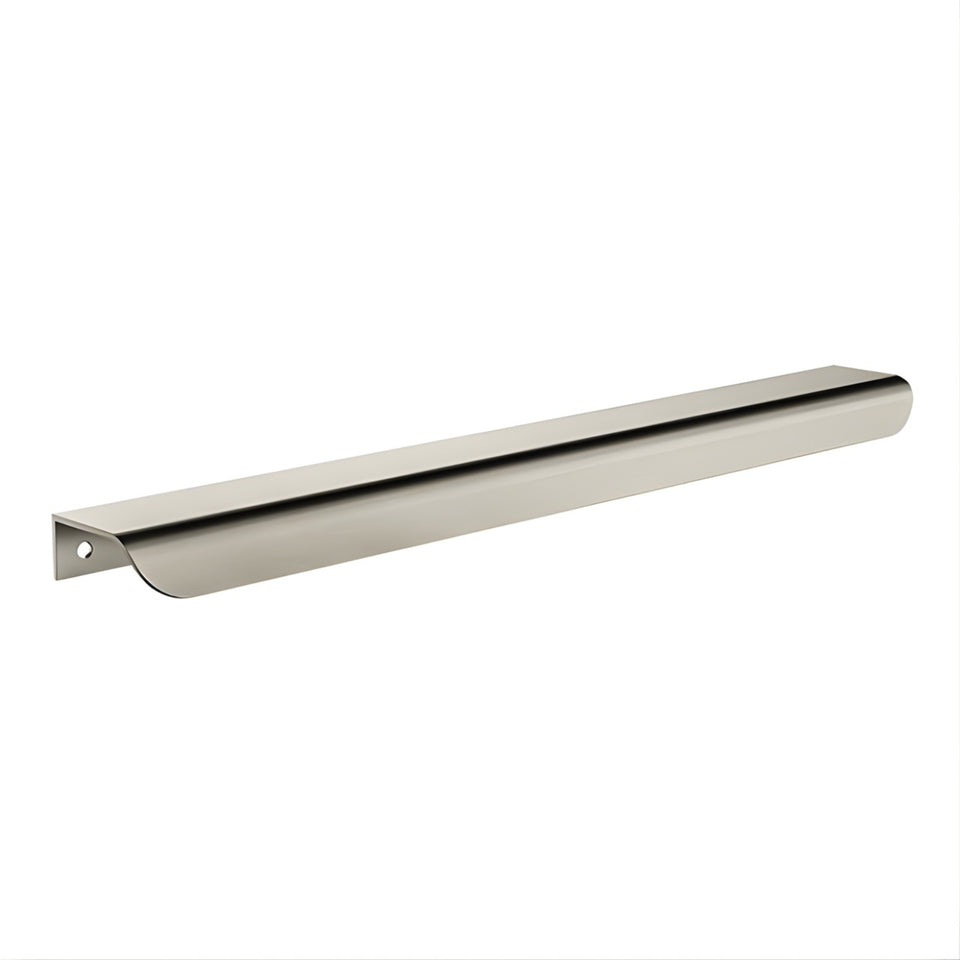


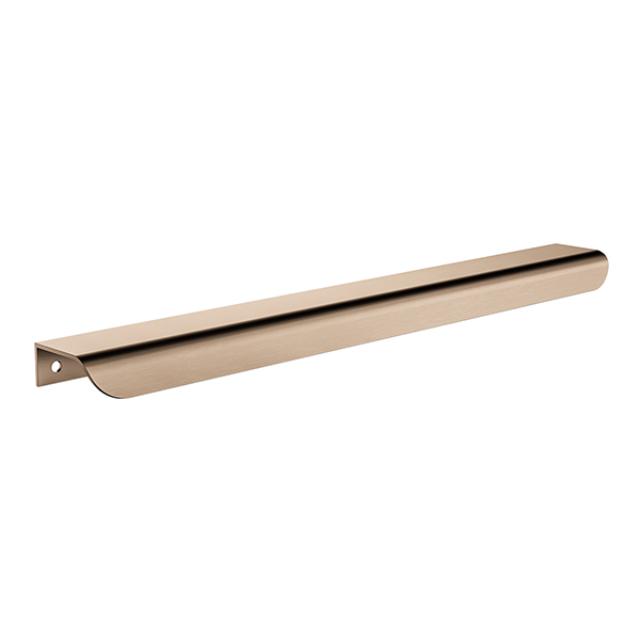

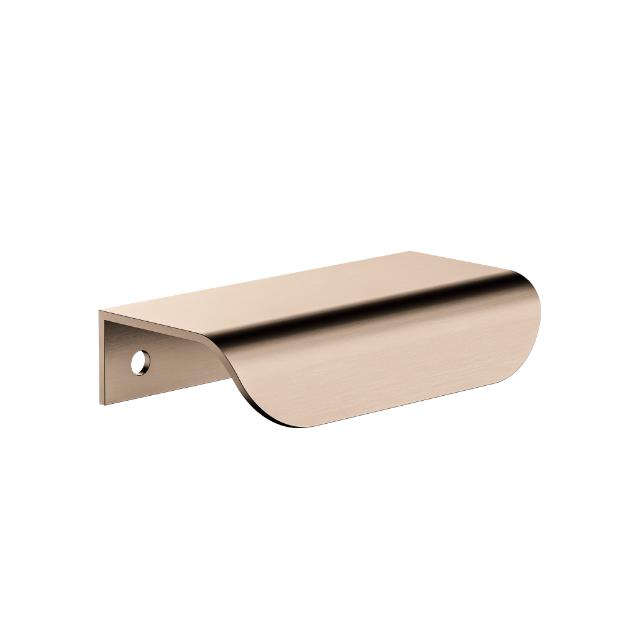
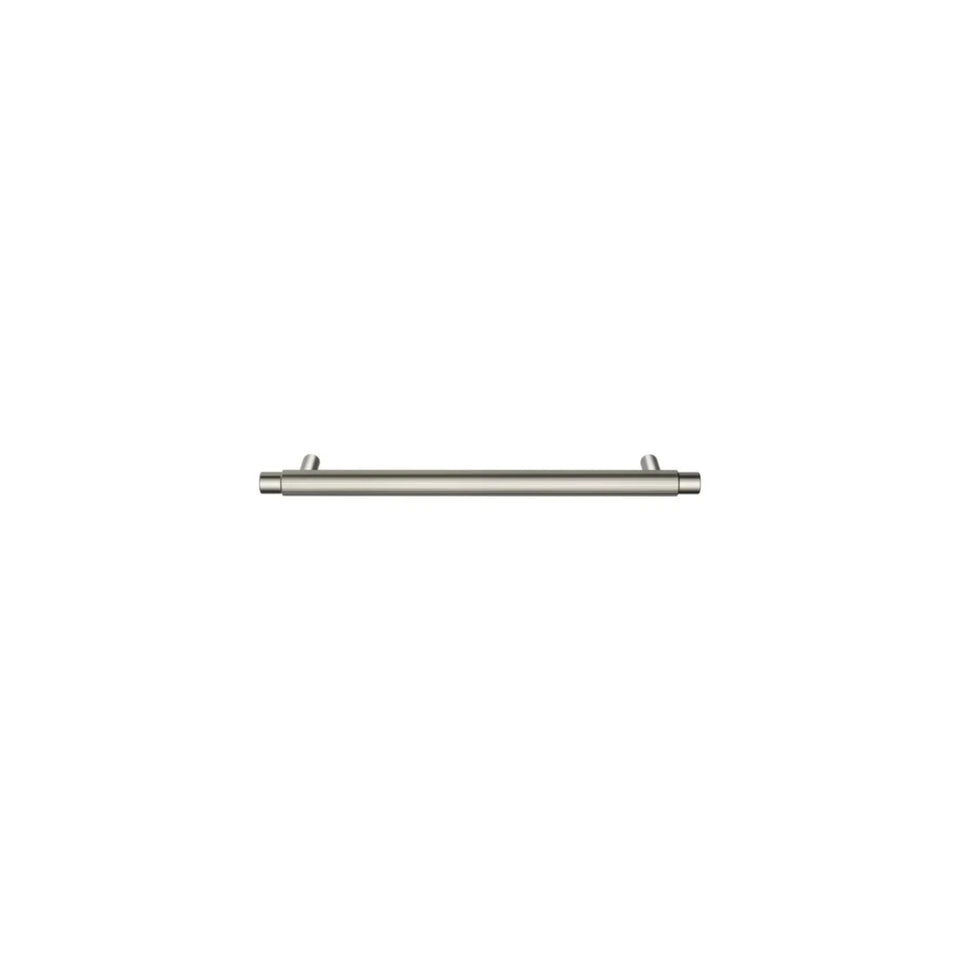


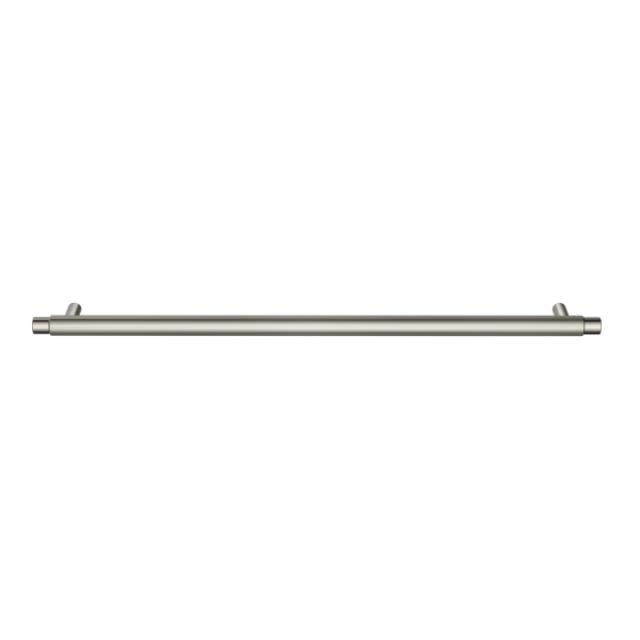
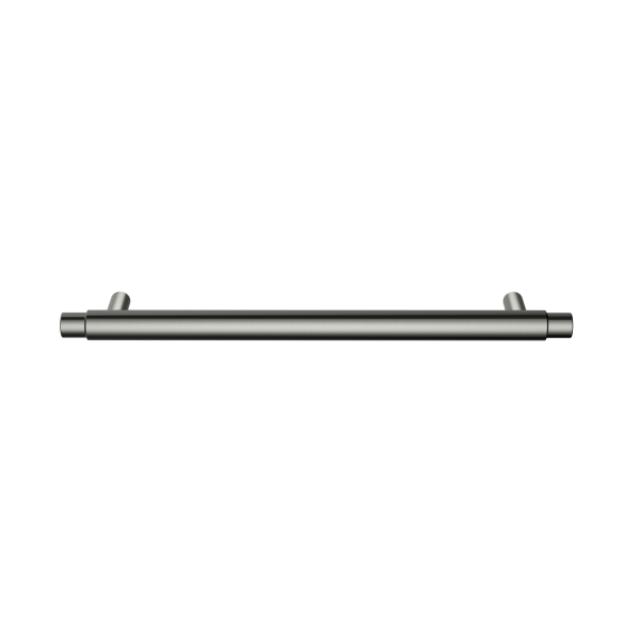


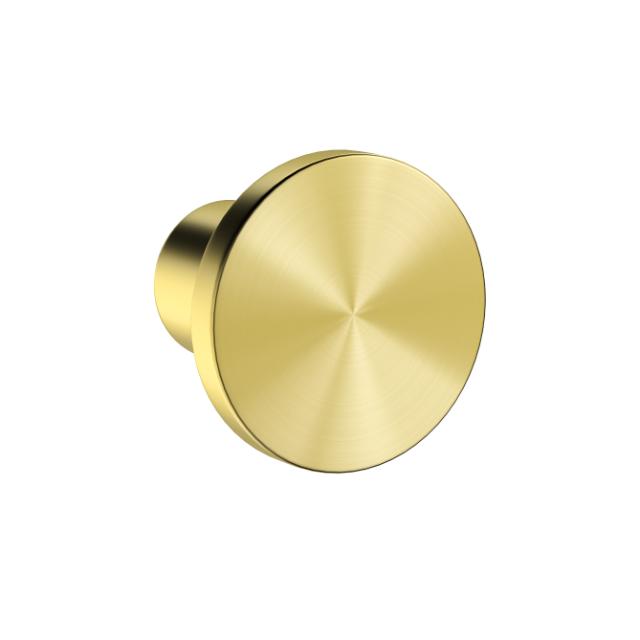


Oppen's design is deliberately restrained: simple, strong lines with no unnecessary detailing, built to still look considered in ten years rather than dating within the first.
Edge-pulls, in 75mm, 150mm and 300mm, sit flush along the top edge of a drawer or door, a genuinely minimal profile suited to a handle-less look. Round pulls, at 200mm, 328mm and a substantial 520mm, give a more traditional grip, with several sizes available in a genuine knurled texture for added tactile detail. Knobs offer a single-point fixing suited to a cabinet door or a lower-traffic drawer. T-pulls, including a knurled option, bring a modern combination of a knob's single-screw fixing with a linear shape that gives more to grab onto.
A handle (pull) attaches at two points, giving genuinely more to grip, well suited to a wide or heavy drawer. A knob is a single-point fixing, smaller and a touch more traditional, though Oppen's current shapes keep it feeling contemporary. There's no fixed rule here: using handles on drawers and knobs on cabinet doors is a common, practical approach that gives a kitchen, bathroom or laundry a considered, tailored finish.
As a general guide, the one-third rule works well: handle length should sit roughly a third of the width of the door or drawer, so a 600mm-wide drawer suits a handle around 160mm to 200mm, while a smaller drawer under 300mm suits a shorter 75mm to 150mm edge-pull or a knob instead. A larger, heavier drawer benefits from Oppen's longer 300mm or 328mm options for genuine extra grip.
Champagne brings a soft, muted gold, a subtler alternative to a straight brushed brass. Brushed nickel remains a genuinely versatile, warm-toned option that hides fingerprints well. Tiger Bronze and Lustre Bronze bring an earthy, aged character in two distinct depths. Shadow, Meir's deep, brushed grey finish, suits a moodier, more contemporary kitchen or bathroom.
Oppen handles are built in stainless steel, giving genuine resistance to rust and corrosion, an important consideration for a kitchen or bathroom where moisture is a constant factor. This construction means the finish holds up well over years of daily use rather than dulling or degrading.
In the kitchen, edge-pulls and round pulls suit joinery of every finish, from a dark, moody cabinet through to a crisp white vanity, and the range's pull handles handle the daily use of a heavy pantry door well. In the bathroom, replacing a vanity's existing handles with Oppen is a genuinely fast, affordable way to refresh the space. In the laundry or a custom wardrobe, the same range extends the look throughout the home, and sourcing the one Oppen style across every room gives a genuinely connected, considered result.
Bathroom vanity cabinet handles come in bar pulls, knob handles, T-bar pulls, cup pulls and edge pulls for a handle-less drawer look. Bar pulls in 96mm, 160mm and 256mm lengths remain among the most popular in Australian bathrooms for their clean, contemporary appearance, while knobs suit a traditional or Hamptons-style bathroom well.
Australian handles are generally measured by hole centres, the distance between the two screw holes, measured centre to centre. Common sizes include 96mm and 128mm for kitchens, with 160mm increasingly popular in current builds. The one-third rule, matching handle length to roughly a third of the door or drawer width, gives a reliable starting point.
Both have a genuine place, and many homes use a mix of the two. Handles give a larger, more comfortable grip, suited to drawers and heavier daily use. Knobs are simple to install and suit cabinet doors or lower-traffic areas wanting a subtler look. A common approach uses handles on drawers and knobs on doors, giving a kitchen, bathroom or laundry a considered, tailored finish.
Yes, and many households do this to create a seamless, considered flow throughout the home. Environment is still worth factoring in: a bathroom or laundry faces higher humidity, so a stainless steel finish holds up genuinely well over time compared with an untreated material.
Measuring the existing hole centres, the distance between the centre of each screw hole, and choosing a new handle with matching hole centres avoids new drilling entirely. For a different style or size, a backplate, an edge pull, or a handle designed to cover old holes makes updating the look possible without redrilling the cabinetry.
Choosing handles that complement the room's tapware, sink and appliance finishes gives the most cohesive result. Matte black handles pair well with matte black tapware for a contemporary look, while brushed nickel or champagne suits a warmer, Hamptons-style space. If appliances are stainless steel, a brushed nickel or stainless handle ties the room together.
Meir Oppen handles are easiest to choose once the room's tapware finish is settled, since matching the two keeps the space reading as one coordinated design. The Blue Space's Meir Taps and Bathroom Vanities collections are worth reviewing alongside an Oppen selection to bring the full room together.


