
*View accurate shipping rates and availability


20 Items


Spend over $800 and receive free gifts in your cart. Towels, accessories and full length mirrors!


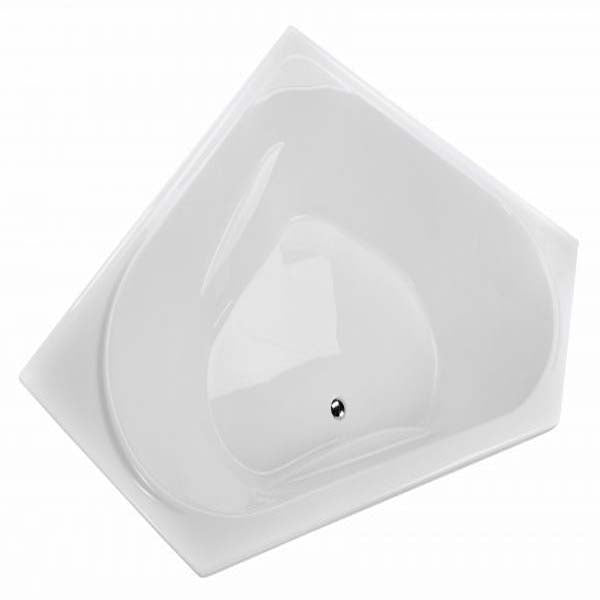


A genuine assumption holds many renovators back from including a bath in a smaller bathroom: that a proper soak needs a large room to work. Small baths are specifically engineered to challenge that, with internal shape optimised to give real depth and comfort while occupying considerably less floor space than a standard-length tub.
Family bathrooms need to serve everyone, a quiet space for adults and a practical one for kids' bath time, and a small bath, particularly in a shower-over-bath configuration, manages both without dominating the room.
Ensuites benefit from a bath's added sense of comfort, shifting the room from purely functional to a genuine private retreat.
Apartments, where every centimetre of floor space counts, can still accommodate a compact bath, adding a genuine point of difference to a smaller home.
Older or character homes, often with quirky, tighter bathroom layouts, suit a corner bath or a short built-in model particularly well, fitting a genuine bath into a space a standard-length tub simply wouldn't.
Back-to-wall baths give much of a freestanding bath's sculptural look while sitting flush against the tiled wall on one side, saving genuine floor space and removing the dust-collecting gap a fully freestanding tub leaves behind it.
Corner baths make efficient use of an underused corner, and current designs read as considerably sleeker than older, bulkier styles, suiting a squarer room where a long, narrow tub wouldn't sit naturally.
Freestanding baths are genuinely achievable in a small bathroom, since compact models are specifically designed for maximum impact in less space. A smaller freestanding tub can actually help a room feel more open, since the eye reads more of the visible floor around it, and it functions as a clear focal point in its own right.
Shower baths solve the reality of a single-bathroom household needing both functions in one fixture, with a wider, flat, slip-resistant end for showering and a sloped opposite end for a proper, relaxed soak, paired with a simple glass screen.
Built-in baths remain a classic, practical choice, sitting within a tiled surround that doubles as a ready-made shelf for shampoo, a book, or anything else within reach, with a genuinely integrated look when the hob tiles match the surrounding room.
Oval baths bring soft, calming curves to a room that might otherwise feel boxy, particularly effective as a freestanding model. Rectangular baths remain the most space-efficient shape, sitting flush against walls and into corners without wasting any available floor space, and are the default choice for most built-in and shower bath designs. Round and square baths are less common but make a genuine statement: a small round bath gives a deep, upright soak reminiscent of a Japanese-style tub, while a square bath brings a bold, architectural character suited to a genuinely contemporary bathroom. Slipper and fluted baths bring more specialty detail, a slipper's raised back supporting the head and neck for longer relaxation, and a fluted bath's vertical exterior grooves adding texture and visual interest to an otherwise simple room.
Floor space is the most immediate gain: a smaller bath frees up room to move, potentially allowing for a larger vanity or simply more comfortable movement around the room.
Atmosphere shifts noticeably too. A bathroom with a bath feels like somewhere to unwind rather than a purely functional space, and a well-chosen small tub often becomes the room's genuine centrepiece.
Water and energy use are genuinely lower with a smaller tub, since it takes less water to fill, fills faster, and holds heat for longer relative to its smaller volume, a modest but real saving on both water and heating costs.
Maintenance is also more manageable: a smaller surface area simply takes less time and effort to clean, a small but appreciated benefit on a busy weeknight.
Caroma and Clark bring long-established Australian reliability. Decina offers a strong range of Australian-made acrylic baths. Fienza and ADP suit renovators after current, on-trend designs. Kaskade Stone and Bao Bath are the names to look for in stone composite tubs specifically. Turner Hastings and BelBagno bring a European design sensibility to the range.
A small bath is easiest to plan alongside the room's tiling and tapware, since installation type and finish both depend on decisions made elsewhere in the renovation. The Blue Space's Tiles and Tapware collections are worth reviewing alongside a small bath selection to bring the full bathroom together.


