Skip to content

Blackbutt Timber Handles

3 Items

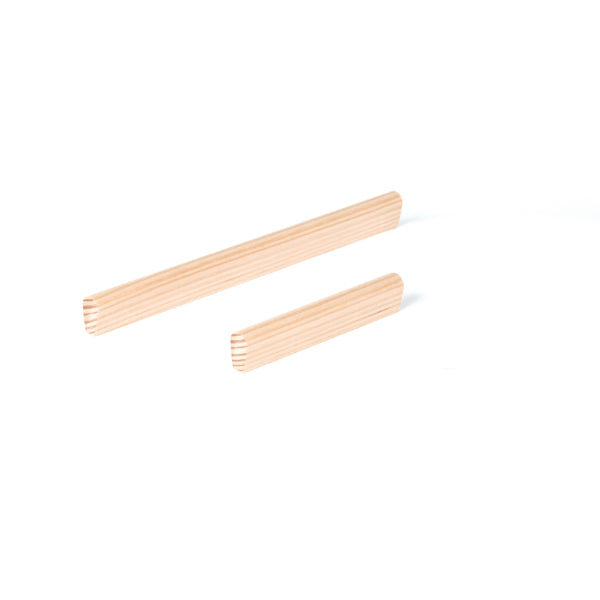
  • Momo Handles Kimberley Timber Pull Handle BlackbuttMomo Handles Kimberley Timber Pull Handle BlackbuttMomo Handles Kimberley Timber Pull Handle BlackbuttMomo Handles Kimberley Timber Pull Handle BlackbuttMomo Handles Kimberley Timber Pull Handle Blackbutt

    Momo Handles Kimberley Timber Pull Handle Blackbutt

    Checking delivery...
    $70
  • Momo Handles Airlie Timber Pull Handle BlackbuttMomo Handles Airlie Timber Pull Handle BlackbuttMomo Handles Airlie Timber Pull Handle BlackbuttMomo Handles Airlie Timber Pull Handle BlackbuttMomo Handles Airlie Timber Pull Handle Blackbutt

    Momo Handles Airlie Timber Pull Handle Blackbutt

    Checking delivery...
    $66
  • Momo Handles Fitzroy Arch Timber Handle BlackbuttMomo Handles Fitzroy Arch Timber Handle BlackbuttMomo Handles Fitzroy Arch Timber Handle BlackbuttMomo Handles Fitzroy Arch Timber Handle BlackbuttMomo Handles Fitzroy Arch Timber Handle Blackbutt

    Momo Handles Fitzroy Arch Timber Handle Blackbutt

    Checking delivery...
    $148

Blackbutt timber handles bring a warm, distinctly Australian character to bathroom vanities, kitchen cabinetry and laundry joinery. Blackbutt is a native hardwood prized for its pale honey-gold colour, fine grain and wear resistance — qualities that translate directly into hardware that holds its finish under daily use and suits the natural palette of contemporary renovations.

What blackbutt timber handles are

These handles use solid blackbutt timber, or blackbutt-faced composites, as the grip surface. The timber is typically sealed with a clear coat or oil finish to resist moisture and fingerprints. Profiles range from simple flat bars to contoured D-pulls and recessed edge-pulls. Most include stainless steel or solid brass fixings to keep the timber section free of exposed fasteners at the face.

Common sizes and hole spacings

Timber cabinet handles are sold by centre-to-centre bore spacing, which must match your existing cabinet drilling. The most common spacings in Australian cabinetry are 96 mm, 128 mm, 160 mm and 192 mm. Bar-pull lengths typically run from 128 mm to 320 mm overall, with the grip length extending 30-40 mm beyond the bore spacing on each side. Check the product specification sheet before ordering — timber handles rarely accommodate pilot drilling on-site without splitting risk.

Finishes and timber treatments

Raw blackbutt left untreated will grey and check over time in humid bathroom environments. Sealed and oiled finishes protect against moisture ingress while preserving the timber's natural warmth. Some ranges combine blackbutt timber with contrasting metal accents in brushed nickel, matte black or brushed brass. The metal component sits at the fixings or end caps, giving a hybrid look that suits both Hamptons and contemporary Australian interiors. For a broader view of cabinet handles including metal options, the full range covers over 20 finishes.

Where blackbutt handles suit best

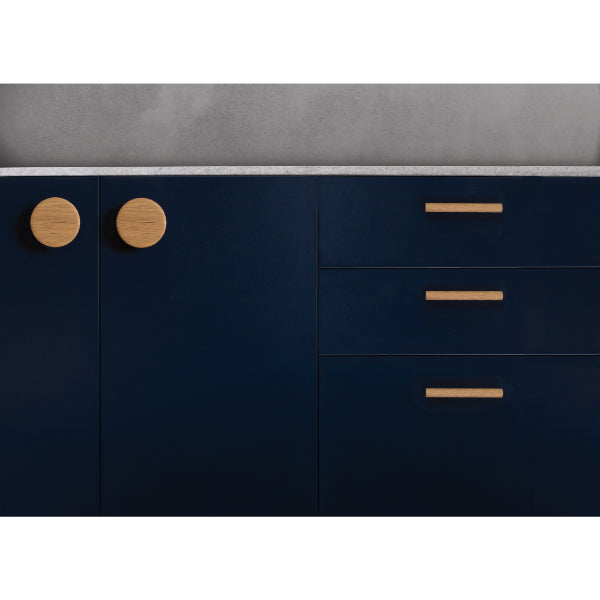
Blackbutt's pale honey tone pairs most naturally with white, off-white and light stone joinery. It reads as a deliberate material contrast against matte black or dark charcoal cabinet carcasses. In bathrooms, blackbutt handles work well on bathroom vanity drawers and doors where a natural texture breaks up hard surfaces like stone benchtops and ceramic tiles. In kitchens, the species is common enough in Australian timber flooring that matching handles to an existing floor is straightforward.

How to choose the right handle for your cabinet

Start with bore spacing — measure centre to centre between your existing screw holes. If you are drilling fresh, 128 mm is the safest default for drawer fronts under 450 mm wide; 160 mm or 192 mm suits wider drawers. Consider handle projection: deep-profile timber handles project 35-50 mm from the face, which can foul adjacent drawers in tight configurations. Flat bar profiles project 20-30 mm and are safer in compact joinery. Check the weight rating listed in the spec sheet for drawer hardware if the cabinet will hold heavy items.

Mixing timber handles with other hardware

A common approach is to use timber handles on drawers and a matching metal knob or round pull on doors — this keeps the tactile interest on the most-used hardware while keeping door pulls slim. If you are fitting out a bathroom, pair timber handles with bathroom mirrors that have a timber or natural-stone frame element to carry the material language through the room. For door hardware beyond cabinetry, interior door handles in brushed nickel or matte black complement blackbutt timber cabinet hardware without competing with it.

Maintenance and longevity

Sealed blackbutt handles need only a damp cloth wipe-down for routine cleaning. Avoid abrasive cleaners and prolonged water contact at the end-grain sections. Re-oiling every 12-18 months with a food-safe or furniture oil maintains the timber's colour and prevents surface checking. Most quality blackbutt handles carry a manufacturer warranty of 2-5 years for the timber component and a separate warranty period for the metal fixings — check the product listing for the specific warranty terms before purchasing.

Frequently Asked Questions

What bore spacings do blackbutt timber handles come in?
The most common bore spacings are 96 mm, 128 mm, 160 mm and 192 mm, which align with standard Australian cabinet drilling. Always measure your existing hole centres before ordering. Timber handles cannot be re-drilled on site without splitting risk, so matching the bore spacing exactly is essential.
Are blackbutt timber handles suitable for bathroom vanities?
Yes. Blackbutt is a moisture-resistant hardwood and most handles in this category are sealed or oiled for added protection. For bathroom use, choose handles with a clear-sealed or oil finish rather than raw timber, and avoid prolonged water pooling at the end-grain sections where moisture ingress is most likely.
What is the typical price range for blackbutt timber handles in Australia?
Blackbutt timber cabinet handles generally range from around $15 to $60 per handle depending on length, profile and metal trim detail. Bar pulls in longer lengths (192 mm to 320 mm bore spacing) sit toward the upper end of that range. Prices vary by brand and whether the handle uses solid blackbutt or a timber-faced composite.
How do I maintain blackbutt timber handles in a humid bathroom?
Wipe down with a damp cloth and dry thoroughly after cleaning. Re-oil every 12 to 18 months using a furniture-grade or food-safe oil to prevent surface checking and greying. Avoid bleach-based cleaners, which break down the timber's sealed finish. Most manufacturers recommend against steam exposure directly on the timber surface.
What metal finishes pair well with blackbutt timber handles?
Brushed nickel and matte black are the most common metal accents used in blackbutt timber handle ranges, and both work across contemporary and Hamptons-style bathrooms and kitchens. Brushed brass suits warmer, richer interiors. The metal component typically appears at the end caps or fixings, so the finish choice affects the overall look more than the handle's structural performance.

Frequently Asked Questions

What types of cabinet handles are available for bathroom vanities?

Bathroom vanity cabinet handles come in bar pulls, knob handles, T-bar pulls, cup pulls, and edge pulls (for handleless drawer looks). Bar pulls in lengths of 96mm, 160mm, and 256mm are among the most popular in Australian bathrooms for their clean, contemporary appearance. Knobs are a classic choice for traditional or Hamptons-style bathrooms. The Blue Space stocks handles from brands including Momo Handles and Zanda in finishes to suit every style.

What size cabinet handle do I need?

Australian handles are generally measured by "hole centres", the distance between the two screw holes, measured centre to centre. Common sizes include 96mm and 128mm for kitchens, and 160mm becoming increasingly popular in modern builds. As a general guide, the 1/3 rule works well: your handle length should be roughly one-third the width of the door or drawer. So a 600mm-wide drawer suits a handle around 160–200mm, while smaller drawers under 300mm work best with a shorter 70–100mm pull or a knob.

Should I choose cabinet handles or knobs?

Both have their place, and many homes use a mix of the two. Handles offer a larger, more comfortable grip, making them ideal for drawers and heavier daily use. Knobs are simple to install, easy to clean, and suit cabinet doors or lower-traffic areas where a subtler look is preferred. A common approach is to use handles on drawers and knobs on doors, giving your kitchen, bathroom or laundry a considered, tailored finish.

Can I use the same cabinet handles in my kitchen, bathroom and laundry?

Yes, and many homeowners do this to create a seamless, considered flow throughout the house. That said, it's important to factor in environment: bathrooms and laundries are exposed to higher humidity and moisture, so finishes like solid brass with a PVD coating, stainless steel, or quality powder-coated options will hold up better than raw or untreated materials over time.

How do I replace cabinet handles without drilling new holes?

Measure your existing hole centres by checking the distance between the centre of each screw hole, then choose a new handle with matching hole centres. If you'd like to switch to a different style or size, options like backplates, edge pulls, or handles designed to cover old holes make it possible to update your look without redrilling your cabinetry.

How do I match cabinet handle finishes with my tapware and appliances?

For a cohesive, well-designed home, cabinet handles are best chosen to complement your tapware, sink and appliance finishes. Matte black handles pair beautifully with matte black tapware for a contemporary look, while brushed nickel or brushed brass options suit warmer, Hamptons-style spaces. If your appliances are stainless steel, brushed nickel or stainless handles will tie the room together. It's worth considering your whole space, kitchen, bathroom and laundry, for a consistent finish throughout the home.