
*View accurate shipping rates and availability
Australia's #1 online bathroom retailer
Australia's #1 online bathroom retailer
Over 1M+ products shipped
60 day extended returns


3 Items


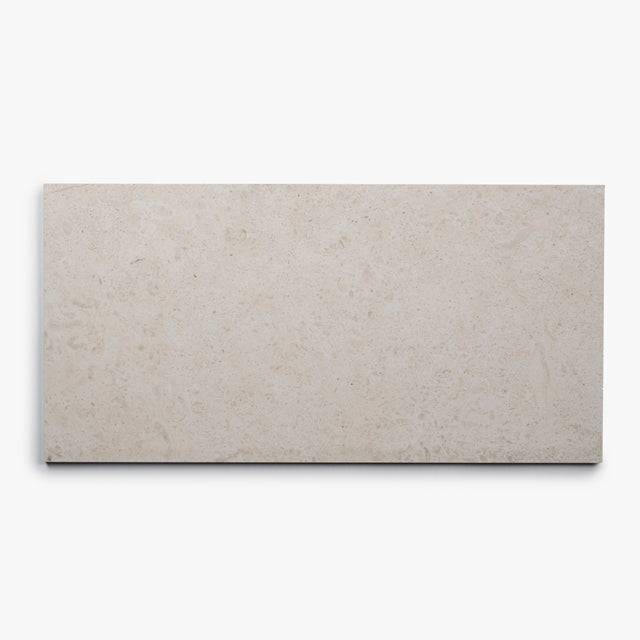


Myra is a limestone-look tile range from The Blue Space. Limestone-look tiles are designed to bring the appearance of natural stone into a space without the sourcing and sealing considerations that come with genuine quarried limestone. They typically feature soft, neutral tones and a subtle, textured surface, which suits interiors aiming for a Mediterranean-inspired or classic, understated look rather than a high-gloss or heavily patterned finish.
This range suits bathrooms, kitchens or living spaces where a calm, natural material palette is the goal. Limestone-look tiles work well alongside timber tones, matte tapware finishes and simple cabinetry, since the tile itself is the quieter, textural element in the room rather than the feature.
Because of their soft, neutral colouring, Myra tiles suit spaces where you want the walls or floor to recede visually and let other elements, such as joinery, tapware or a feature mirror, stand out. They are a reasonable fit for both new builds and renovations aiming for a timeless rather than trend-led finish.
Before ordering, request a sample where possible to check the tone and texture in your own lighting, since natural stone-look tiles can read differently under different light conditions compared to a photo or in-store display.
Matte tiles are trending strongly in Australian bathrooms for their contemporary look and practical ability to hide water spots and fingerprints. Gloss tiles reflect light and can make a bathroom feel brighter and larger, but show water marks and smudges more readily. For shower recesses and wet floors, matte or satin finishes with good slip resistance are generally preferred.
Measure your total wall and floor surface area in square metres, then add a 10–15% wastage allowance for cuts, breakages, and future repairs. For complex layouts with diagonal patterns or feature inserts, increase the wastage to 15–20%. Always order all tiles from the same batch (check the shade lot/batch number) as tiles from different batches can vary slightly in colour.
Floor tiles must have an adequate slip resistance rating (P3 minimum for domestic bathrooms) and be durable enough for foot traffic. Wall tiles can be glazed ceramic, porcelain, or natural stone, they don't need to carry load but should be moisture-resistant. Many Australian renovators choose matching or coordinating floor and wall tiles from the same range for a cohesive look.
For small bathrooms, tiles between 300 x 300mm and 600 x 300mm often work well on both walls and floors. Smaller mosaic or subway tiles (75 x 150mm or 100 x 200mm) are a classic choice for shower walls. While large format tiles can also work in small spaces, they require a very level substrate and expert installation. Avoid tiles that are too small on floors (like 50 x 50mm mosaics) in large quantities, as the increased grout lines can make a space feel busier.
The most effective approach is to choose one feature zone and use your feature tile there, a full-height shower wall, the bath surround wall, or the vanity splashback area. Keep the remaining surfaces in a neutral or complementary field tile. This creates impact without visual clutter. Limit your palette to two or three complementary materials for a cohesive result.
Australian Standards (AS 4586) require bathroom floor tiles to have a minimum slip resistance rating of P3 for domestic bathrooms and P4 or P5 for wet areas like shower recesses. The Blue Space recommends checking the slip resistance rating of any tile you're considering for floor use, particularly in the shower. Matte and textured porcelain tiles generally offer better slip resistance than polished or gloss finishes.
Porcelain tiles are fired at higher temperatures and are denser, less porous, and harder than ceramic tiles. This makes porcelain more water-resistant, more durable, and suitable for both indoor and outdoor applications, including high-traffic floors. Ceramic tiles are lighter and easier to cut, making them a practical choice for bathroom walls and splashbacks. For bathroom floors and wet areas, porcelain is generally the preferred option in Australia.

Switch to your local store for faster shipping and local deals.


