
*View accurate shipping rates and availability


82 Items


Spend over $800 and receive free gifts in your cart. Towels, accessories and full length mirrors!


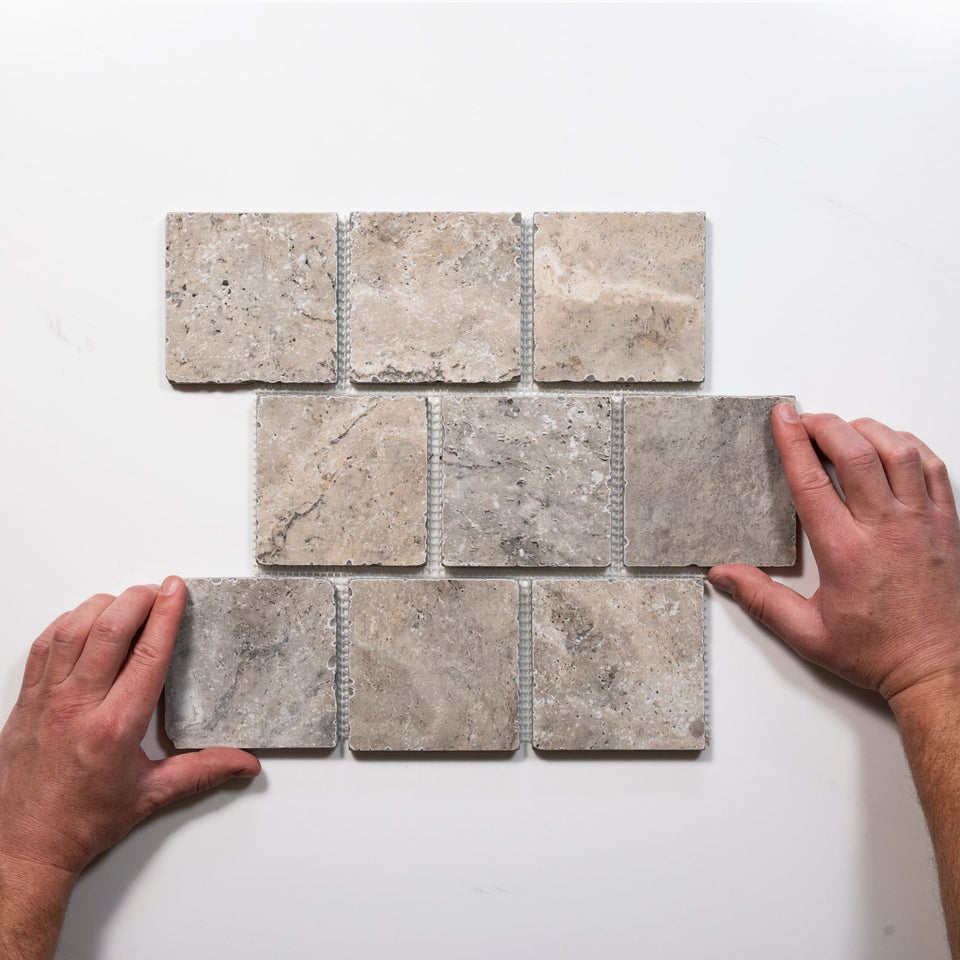


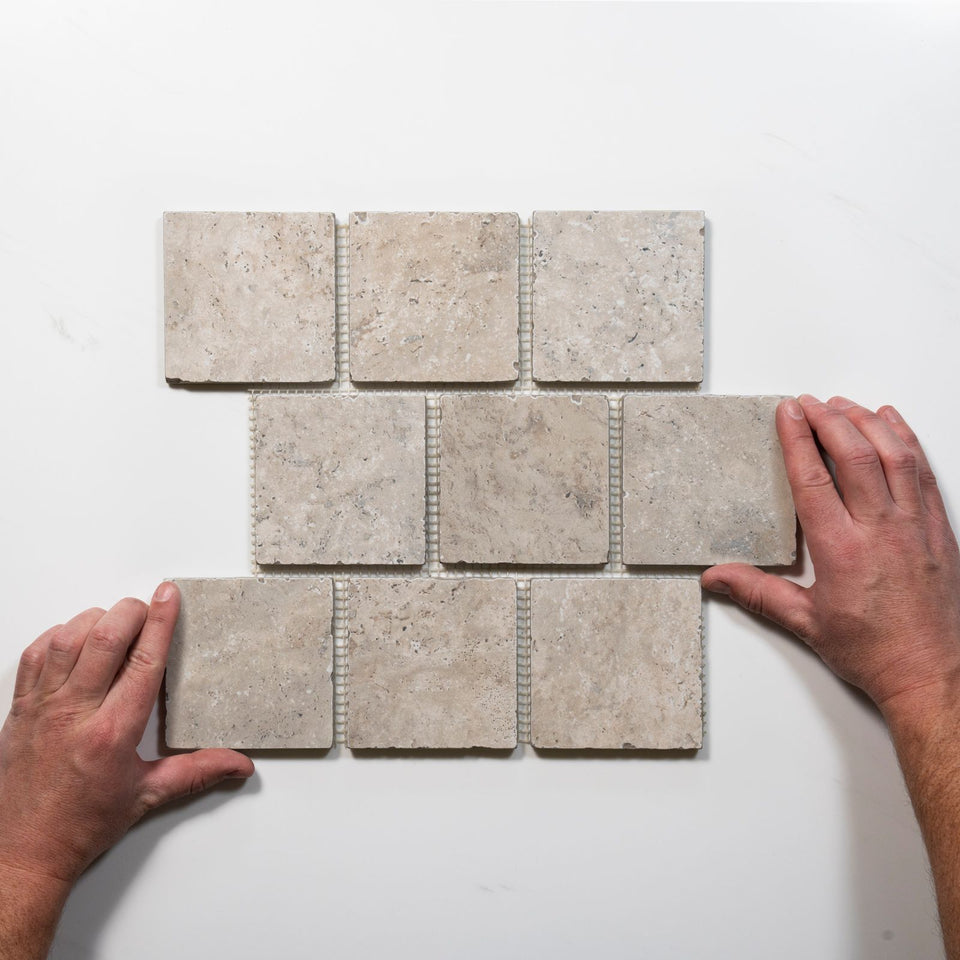

A small tile is defined by more than its size: the higher grout-line density it creates genuinely changes how a surface performs and reads, from slip resistance underfoot to the amount of textural detail a wall can carry.
Genuine design flexibility comes from the sheer number of pattern options available at this scale, mosaic, herringbone, penny round and subway among them, each capable of turning a plain wall or floor into a considered feature.
Better performance on curves follows directly from size: a small tile conforms to a curved wall or a custom-built seat in a way a large format simply can't, giving a smooth, professional finish on a non-flat surface.
Improved slip resistance underfoot is a genuine, practical benefit of more grout lines, particularly relevant for a shower floor or a wet area where grip matters.
Ella Zellige, Italian ceramic at 100mm x 100mm x 10mm, and Dianna Zellige, Spanish ceramic at 100mm x 100mm x 9mm, both span a genuinely wide colour range. Dianna's handmade subway format, at 75mm x 150mm x 9mm, brings the same Spanish ceramic character to a rectangular shape. Evelyn's handmade Zellige and Bejmat, at 100mm x 100mm x 12mm and 50mm x 150mm x 12mm, bring genuine artisanal texture. Settlers cobble stone porcelain, at 150mm x 150mm, and Soluna's Arc and Cotto porcelain, also 150mm x 150mm, round out the porcelain range. Malee, Spanish ceramic at 130mm x 130mm x 8mm, and Luca, handmade at 100mm x 100mm x 8mm and 75mm x 150mm x 8mm, offer further genuine European craftsmanship. Sicily's Turchese Blue Zellige, Italian-made cushioned-edge porcelain at 100mm x 100mm, and a genuine natural stone option in tumbled beige travertine at 100mm x 100mm, complete the collection.
Subway tiles, generally rectangular, suit both the classic offset layout and a more current horizontal or vertical stack. A smaller 50mm x 150mm or 75mm x 150mm format gives a genuinely more delicate, refined result than the standard subway size. Herringbone brings real movement and elegance, well suited to a splashback or feature wall. Penny round tiles, small and circular, give a textured, tactile surface with a vintage character that reads as current when grouped well. Square tiles, 100mm x 100mm or 150mm x 150mm, laid in a simple grid, give a clean, calm result that lets colour do the talking. Fish scale (scallop) tiles bring a soft, organic shape suited to a striking bathroom feature.
Ceramic remains the popular, budget-friendly choice for smaller jobs, genuinely easy to cut and install, well suited to a splashback or a lower-traffic wall. Porcelain, fired at higher temperatures, is considerably more hard-wearing, suited to a busy floor or a wet area including a shower. Natural stone, and stone-look porcelain alternatives including marble-look and travertine-look tiles, bring genuine texture with less ongoing sealing than the genuine material requires.
More small tiles mean more grout lines, and that's a genuine design opportunity rather than a drawback. Matching grout to the tile gives a seamless, textured look. Contrasting grout, white subway against dark grey among the classic combinations, makes each tile stand out for an industrial or farmhouse-style result. Grout line width matters too, thinner for a contemporary look, thicker for something more rustic, and a quality product such as epoxy grout offers genuinely strong stain resistance in a kitchen or bathroom.
Bathrooms suit small tiles for shower interiors, vanity splashbacks and slip-resistant floors, taking advantage of both the pattern flexibility and the grip benefit. Kitchens suit a small tile splashback well, easy to clean and genuinely protective against daily splashes. Outdoor areas suit a specifically slip-resistant, frost-resistant porcelain or mosaic. Laundries, fireplace surrounds and entryways all benefit from the same combination of durability and design flexibility.
Installing small tiles is generally more intricate than a large format, given the sheer number of pieces and grout lines involved, so professional installation is worth arranging for a complex pattern. A level substrate matters more than it might seem, since small-scale imperfections are genuinely more visible at this size. For ongoing care, a pH-neutral cleaner is usually sufficient, and sealing the grout, where recommended for the specific product, helps prevent staining over time.
Small tiles, including mosaics up to 100mm x 100mm, suit bathroom shower floors and niches, where the increased grout lines improve slip resistance, and splashbacks or feature walls where detailed pattern matters. Kitchen splashbacks frequently use small subway, Kit Kat or mosaic tiles for character and protection. Their size also suits curved or irregular surfaces, where a larger tile would be considerably harder to install cleanly.
Small tiles offer genuine design flexibility, letting custom patterns and colour combinations be built from individual pieces. The increased grout line density adds visual texture and, in a wet area, genuinely improves slip resistance. Their compact size also conforms better to a curved or uneven surface than a larger format can.
Grout colour and type matter more with a small tile, since there are considerably more lines to plan for; epoxy grout offers strong stain resistance for a kitchen or bathroom specifically. Installation of an intricate small-tile pattern is generally more labour-intensive, so getting a quote from an experienced tiler is worth doing early. In a very large, open-plan space, small tiles used throughout can read as visually busy, so balancing them with a larger tile or reserving them for a feature area is often the better approach.
Floor tiles can generally be used on walls, since they're built durable enough to handle foot traffic and more than meet a wall's lighter demands. Wall tiles, however, are typically thinner and lighter, without the durability or slip resistance a floor requires, so using a wall tile on a floor isn't recommended. Always checking the manufacturer's specified use is the safest approach.
Tiles between 300mm x 300mm and 600mm x 300mm generally work well on both walls and floors in a small bathroom. Smaller mosaic or subway formats, 75mm x 150mm or 100mm x 200mm, remain a classic choice for shower walls specifically. Very small mosaics used across a large floor area, 50mm x 50mm or smaller, can make a compact room feel busier, given the density of grout lines involved.
Australian Standards (AS 4586) require a minimum P3 rating for a domestic bathroom floor, and P4 or P5 for a wet area like a shower recess. Matte and textured porcelain generally offers better slip resistance than a polished or gloss finish.
Porcelain is fired at higher temperatures and is denser, less porous and harder than ceramic, making it more water-resistant and durable, suited to both indoor and outdoor use including high-traffic floors. Ceramic is lighter and easier to cut, a practical choice for walls and splashbacks. For a bathroom floor or wet area specifically, porcelain is generally the preferred option.
Small tiles are easiest to select once the room's other fixtures, vanity, tapware or cabinetry, are settled, since colour and finish should complement those choices rather than being decided in isolation. Browse the full tiles collection for complementary formats and finishes to pair with a small tile selection.


