
*View accurate shipping rates and availability


200 Items


Spend over $800 and receive free gifts in your cart. Towels, accessories and full length mirrors!


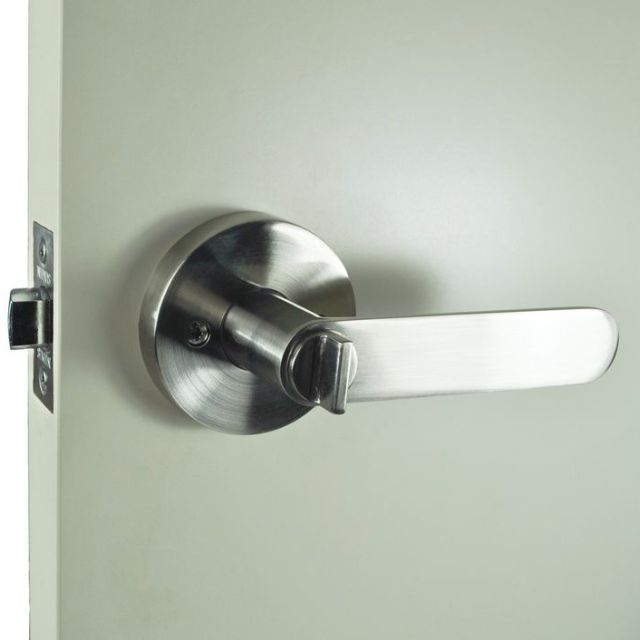


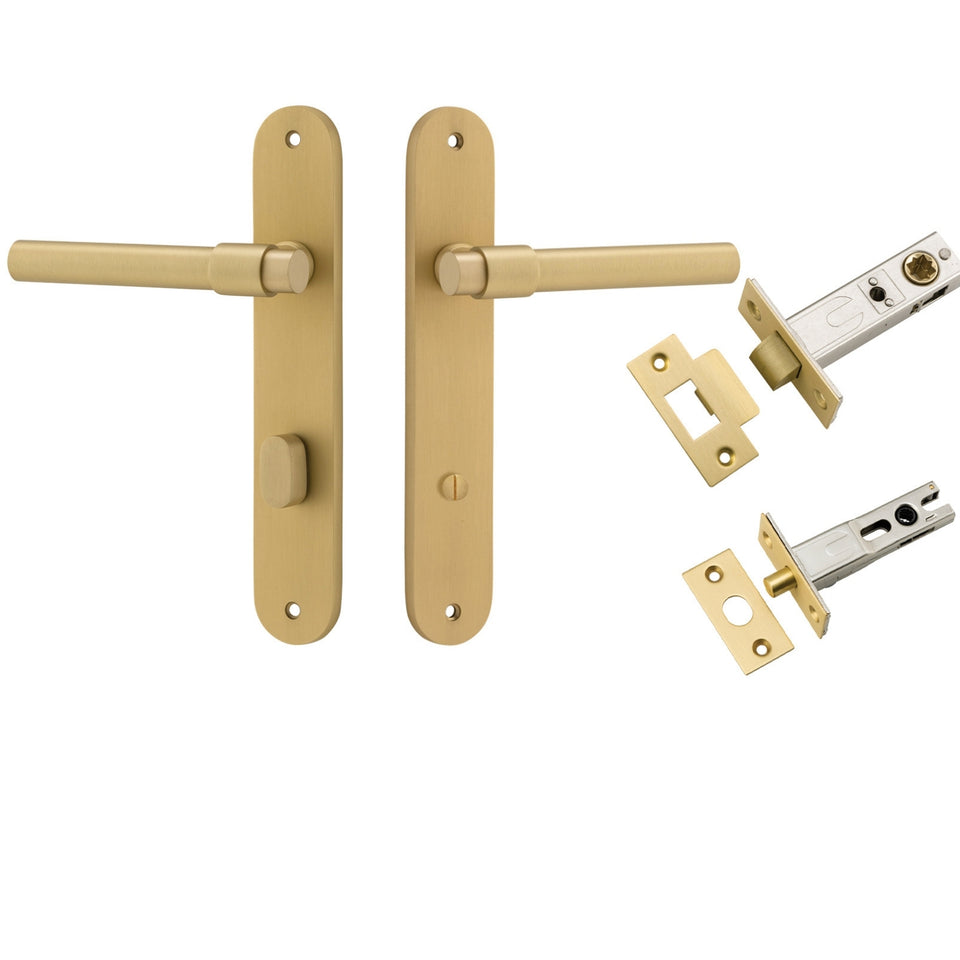


A privacy lever solves a genuinely everyday need: a simple way to signal "occupied" and keep a door closed, without the complexity or cost of a keyed lock a front door requires.
From inside the room, a push-button or small turn-snib engages the lock, stopping the outer lever from operating the latch. On the outside, a small slot allows the lock to be released in a genuine emergency, using a coin, pin or the tip of a paperclip, a deliberate safety feature rather than an oversight. This combination gives privacy when it's wanted and a reliable release when it's genuinely needed, particularly relevant for a young child who's locked a door by accident.
A privacy lever's lock is built for temporary, everyday seclusion inside the home, not security against forced entry, and offers no keyed cylinder. An entrance set, by contrast, uses a keyed cylinder specifically to secure a home's exterior against genuine intrusion. The two aren't interchangeable: a bathroom or bedroom door calls for privacy hardware, while a front or back door needs an entrance set, ideally paired with a robust deadbolt.
If a door needs a lock, a privacy handle is the right choice. If a door simply needs to latch shut, a hallway cupboard or pantry, a passage handle does the job, often sharing an identical look to its privacy counterpart minus the locking mechanism, letting the two be used together for a consistent appearance throughout the home.
A lever is operated by pressing down on an elongated arm, genuinely easier to use one-handed or with an elbow when carrying something, and is recommended under the Disability Discrimination Act for accessible homes. A knob requires a full grip-and-turn motion instead. Both perform the identical locking function; the choice comes down entirely to style preference.
The bathroom is the most obvious application, a lock here is close to essential for genuine daily comfort. A bedroom door benefits similarly, giving a personal space genuine separation from the rest of the household. A home office door with a lock signals focus during a call or deadline without needing to say a word. A guest room is also worth considering, giving visitors a genuine sense of settled privacy during their stay.
Zanda's Duke, Kent, Vertex and Baxter privacy sets span brushed nickel, satin brass and ember bronze. Nidus's Knurled Domici brings a textured, tactile grip in satin brass and gunmetal grey, alongside the Mediterranean Metro and Altro sets in satin chrome and matte black. TradCo's Reims, Menton, Milton and Victorian long-backplate privacy sets offer a genuinely extensive finish range, antique brass, antique copper, polished brass, chrome plated, satin chrome and matte black among them, suited to a more traditional or heritage door. Iver's Puerto lever, with inbuilt privacy on a round rose, is available in signature brass and brushed gold PVD.
Matte black and chrome suit a modern, contemporary interior, and gunmetal brings a deeper, more industrial edge. Brushed nickel and stainless steel suit a coastal or Hamptons-style home well. Polished, brushed and satin brass, along with bronze, bring genuine warmth for a more traditional or classic direction. Using the same finish across every internal door handle is a straightforward way to make the whole home read as considered and cohesive.
Door handing matters for some levers: stand facing the door with the hinges visible, hinges on the left mean a left-hand door, hinges on the right mean a right-hand door, though many current sets are fully reversible. Backset, the distance from the door's edge to the centre of the handle hole, is almost always 60mm in Australia, worth confirming against the existing hardware. Door thickness should also be checked, with most hardware built to fit a standard 35mm to 45mm door.
In most cases, a privacy lever fits the same standard door preparation as a doorknob, a 54mm cross-bore hole through the door face and a 25mm latch hole on the door's edge. If the existing doorknob uses these standard measurements, swapping it for a new privacy lever set is usually a straightforward screwdriver job, with no additional drilling required.
A soft, damp cloth is all that's needed for regular cleaning, avoiding harsh chemicals that can dull the finish. Giving hinges an occasional wipe keeps the whole door swinging smoothly, and checking that mounting screws remain tight helps prevent a loose or wobbly lever, one of the more common causes of a sticking latch.
This is an emergency release mechanism, a genuine safety feature on every privacy lever. Inserting a narrow object, a pin, paperclip tip or release key, into the hole and pushing or turning overrides the internal lock, allowing the door to be opened from outside if someone inside is unable to open it themselves.
Most current privacy levers are non-handed or reversible, meaning the same set can be installed on either a left or right-hand door, with orientation adjusted during fitting. Checking the specific product's specifications before purchase is still worth doing.
A misalignment between the lever's spindle and the internal latch mechanism is the most frequent cause, often the result of the handle working loose over time. Checking that the mounting screws are tight is worth trying first before assuming a bigger problem, since a loose lever is the more common culprit.
Yes. Many Australian brands, Zanda, Lockwood and Lane among them, offer coordinated interior and exterior ranges sharing the same design language and finish, giving a consistent look from the front entrance through to every internal door.
A door handle set typically includes the lever handles for both sides of the door, a rose or backplate, a spindle connecting them, and fixing screws, with some sets including a latch or lock mechanism. Australian door handles must comply with AS 4145 for security and durability.
Privacy door levers are easiest to choose once a consistent finish direction is settled across the home, since matching passage, privacy and entrance hardware keeps every room reading as one considered design. The Blue Space's Cabinet Handles and Exterior Door Hardware collections are worth reviewing alongside a privacy lever selection to plan the full home together.


